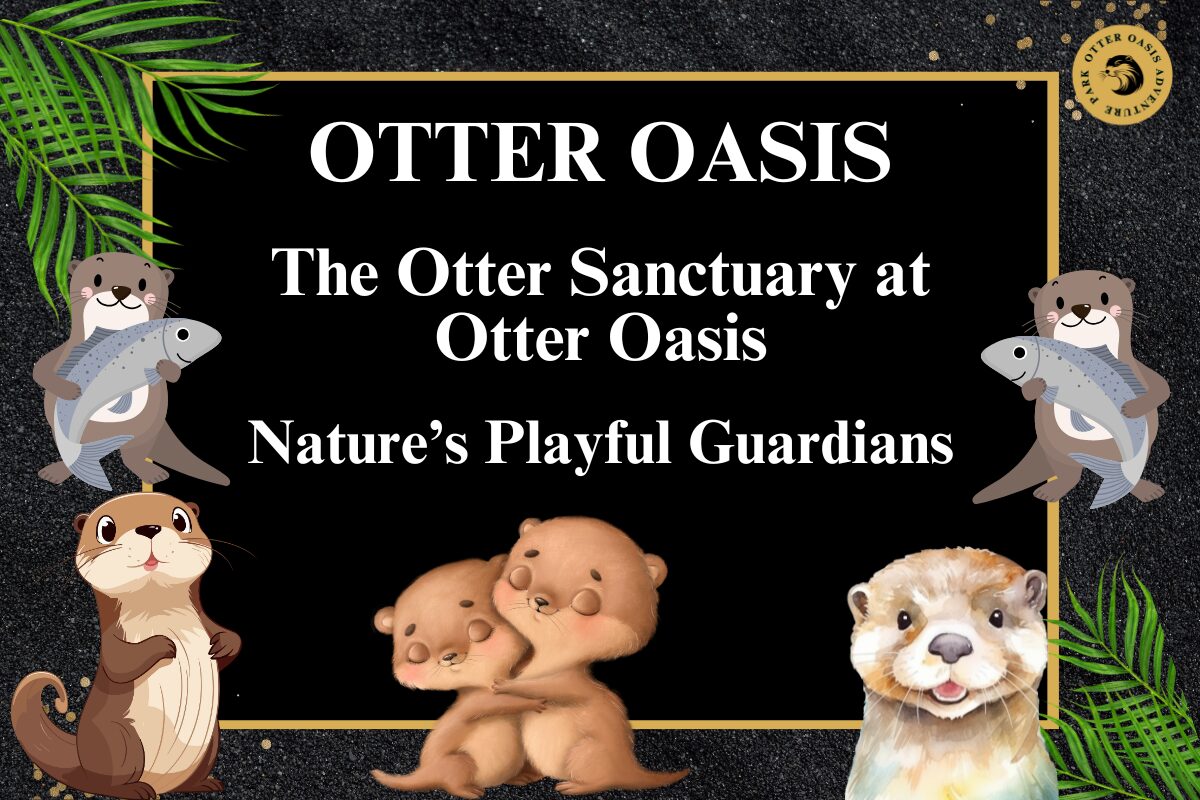
The Otter Habitat sits at the heart of the long-term Otter Oasis vision. Otters are more than the character behind our name and our Eco Rangers. They represent the connection we want to create between wildlife, water, nature, education and the people who may one day visit the park.
Britain's otters have made a remarkable recovery after severe declines during the twentieth century. Better legal protection and improvements in water quality have helped them return to waterways across the country. However, suitable habitat, clean water and connected river systems remain essential to their future.
That is why the Otter Habitat concept matters to us. If Otter Oasis reaches the stage where a physical wildlife habitat can be developed, it should be built responsibly, with animal welfare, professional expertise and the natural environment guiding the decisions.
Why Otters Matter to Otter Oasis
Otter Oasis began with a love of fishing, lakes, wildlife and being outdoors. As the idea developed into a much bigger Holiday Park vision, the otter became a natural symbol for what we wanted the project to represent.
Otters depend on healthy aquatic environments. The National Trust's work to care for otters explains how their decline was linked to pollution and how improvements in water quality and protection contributed to their recovery.
For us, that makes the otter more meaningful than simply choosing an animal for a logo. It connects directly with fishing lakes, waterways, wetland habitat and the nature-focused environment we hope Otter Oasis can eventually become.
The Vision for the Otter Habitat
The Otter Habitat is currently a long-term concept. It is not an operating animal attraction, and the final design has not been decided.
Our vision is for a carefully planned area that could combine water, natural planting, sheltered spaces, visitor viewing and education. Any future design would need to put the needs of the animals and the surrounding environment before the desire to create an attraction.
Depending on what is professionally recommended and legally permitted, a future habitat concept could explore features such as:
- Natural-looking pools and waterways
- Wetland and native planting
- Quiet and sheltered areas away from visitors
- Appropriate land and water enrichment
- Carefully positioned observation areas
- Educational information about otters and wetland habitats
- Strong separation between visitor spaces and animal areas
These are ideas rather than a final specification. The right habitat cannot be designed from a wish list alone. It would need expert input based on the species involved, welfare requirements, the site and the relevant regulations.
Animal Welfare Has to Come First
If the Otter Habitat becomes part of the physical park, animal welfare would have to come before visitor experience.
Otters are protected animals in England. Natural England's current otter licensing guidance covers activities that can affect them, while government planning guidance explains the legal protection given to otters, their breeding sites and resting places.
That is one reason we do not want to promise today exactly how a future Otter Habitat would operate. Appropriate specialists, animal-care professionals and ecological advice would need to be involved before any final decisions were made.
The goal is not simply to put otters somewhere people can see them. The goal would be to create something responsible and worthwhile if it can be done properly.
Habitat Is Bigger Than a Single Animal
A strong wildlife project should not focus on one species while ignoring everything around it.
Wetlands, ponds, lake margins and planted areas can support a much wider ecosystem. Birds, insects, amphibians, fish, aquatic plants and other wildlife all depend on suitable habitats.
The Otter Trust now works more broadly on wetland species and habitats, including creating, maintaining and restoring habitat. That wider approach is something we can learn from as our own ideas develop.
For Otter Oasis, the long-term opportunity is therefore bigger than building an enclosure. It is about considering how lakes, landscaping, planting and quieter areas across the future site could work together.
Education Should Be Part of the Experience
Many visitors may never have seen an otter in the wild. Others may know the animal but know very little about the habitats it needs or the pressures facing Britain's waterways.
A future Otter Habitat could therefore have an educational role alongside the visitor experience.
Displays and learning areas could explain how otters live, why wetland habitats matter, how water quality affects wildlife and why responsible behaviour around rivers and lakes is important.
For families, that could turn a memorable wildlife experience into something children take home with them. Seeing an animal is exciting. Understanding why its habitat matters can make the experience mean more.
Connecting the Habitat With the Wider Park
The Otter Habitat should not feel like an unrelated attraction placed inside the park. It is intended to connect with the wider Otter Oasis environment.
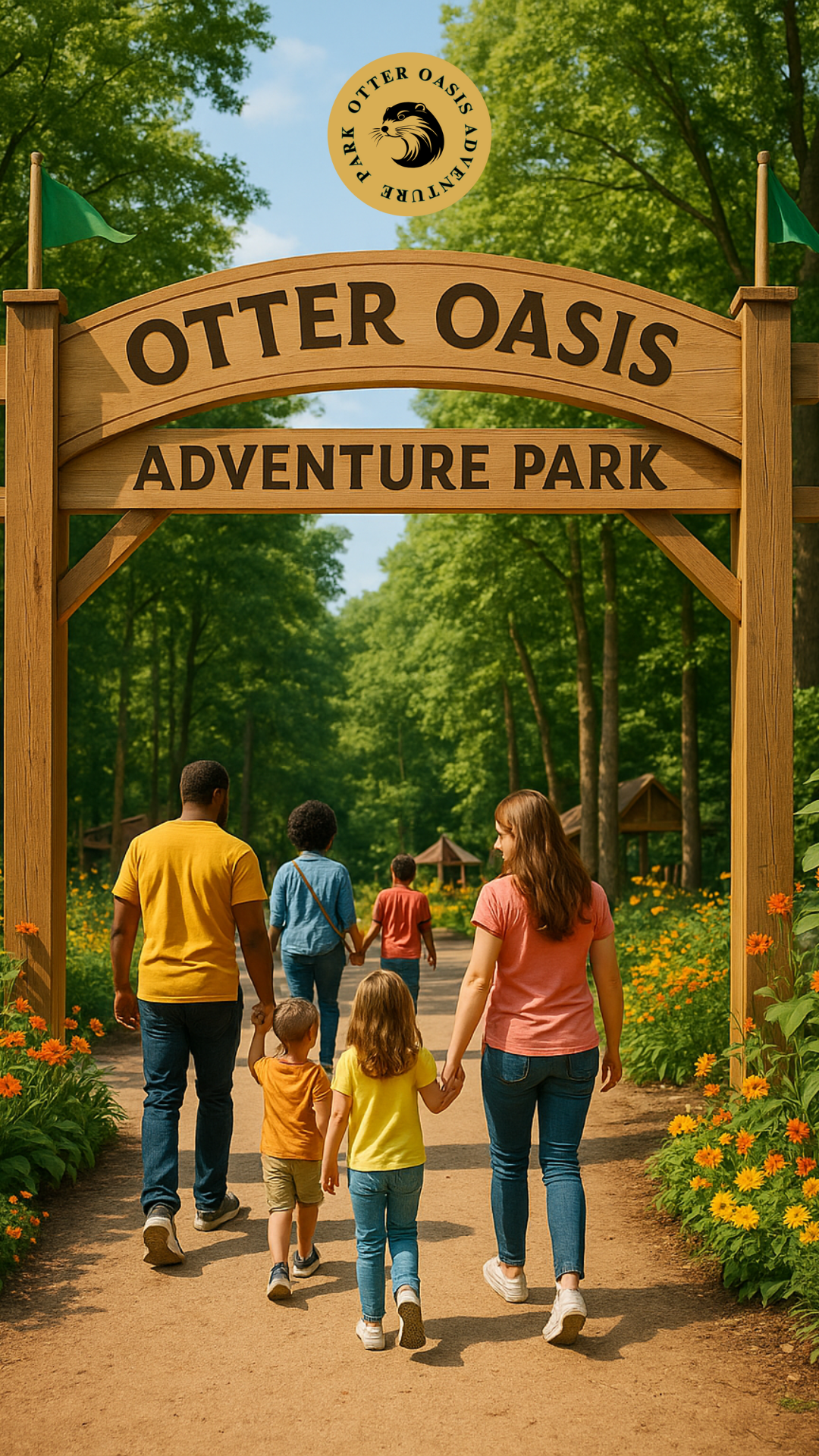
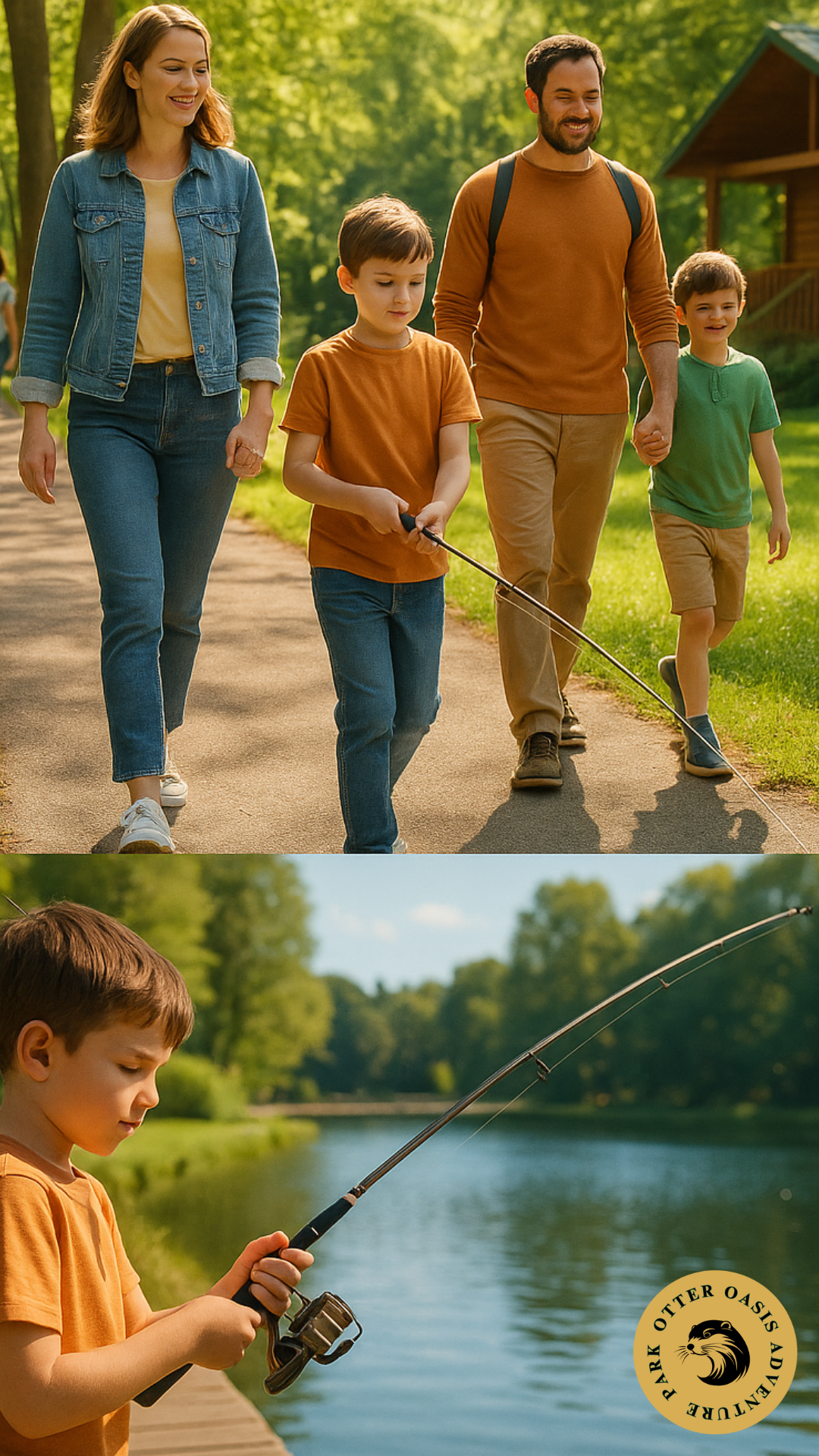
Our long-term Park Vision brings together fishing, accommodation, nature trails, outdoor experiences and wildlife. The habitat could become one part of that larger landscape.
This could also influence how we think about planting, lake edges, paths and quieter wildlife areas elsewhere on the site. Development and nature do not have to occupy completely separate spaces if the site is planned carefully.
The physical project is still a long way from this stage. Land, planning permission, funding, ecological assessments and professional design would all have to come first.
The Otter Habitat and Our Digital Story
There is also a connection between the physical habitat and the digital side of Otter Oasis.
The Eco Rangers represent the founding community around the project. Their otter characters existed before there was a physical park, giving the early community an identity while the real-world vision was still taking shape.
If Otter Oasis eventually reaches the point where visitors can walk through the park and experience a real wildlife habitat, that creates a meaningful link between where the project began digitally and what was later built in the real world.
That is part of what makes the Otter Habitat important to the wider story. It is one of the places where the name, the Rangers and the physical nature vision could eventually meet.
Responsible Wildlife Watching Matters
Our interest in otters should also encourage respect for wild animals outside the future park.
Wild otters should be given space and watched without disturbance. Litter around waterways can also cause serious harm to wildlife. The UK Wild Otter Trust's responsible otter-watching guidance provides useful advice for people hoping to see otters in their natural environment.
Conservation awareness begins with simple behaviour. Respecting wildlife, looking after waterways and understanding when to keep our distance are all part of enjoying nature responsibly.
The Otter Habitat Is Part of a Long-Term Journey
The Otter Habitat remains one of the most exciting parts of the Otter Oasis vision, but we want to keep that vision grounded in reality.
There is no finished habitat today and no guarantee about exactly what form it will eventually take. If the project reaches that stage, the design must be shaped by the site, regulations, expert advice and animal welfare rather than by an old concept image or an early idea.
What will remain is the reason behind it: creating a place where people can reconnect with nature and better understand the wildlife and habitats around them.
That is what the otter has represented from the beginning, and it is why the Otter Habitat remains an important part of where we hope Otter Oasis can go.
You can explore the latest concept on our dedicated Otter Habitat page or follow the wider development plan through the Otter Oasis Roadmap.


Pingback: Sustainable Adventure Tourism: The Otter Oasis Approach - Otter Oasis Adventure Park
Pingback: Wildlife Conservation at Otter Oasis: Protecting the Bigger Picture - Otter Oasis Adventure Park