
Wildlife conservation is an important part of the long-term Otter Oasis vision. If we eventually create a nature-focused Holiday Park, protecting the wildlife and habitats already present on the land should be part of how the site is planned from the beginning.
That means looking beyond one species. Otters are central to our identity, but healthy lakes, wetlands, trees, hedgerows, native plants and connected habitats can support a much wider range of wildlife.
The physical park has not been built and no final site design exists today. Any future conservation work would need to respond to the land we eventually secure, ecological surveys, professional advice, planning requirements and the species found there.
Why Wildlife Conservation Matters
Wildlife depends on suitable places to feed, shelter, breed and move between habitats. Development can put those places under pressure if the natural environment is treated as an afterthought.
For Otter Oasis, the better approach would be to understand a future site before deciding exactly where accommodation, paths, fishing facilities and visitor areas should go.
That could mean identifying valuable habitats, mature trees, waterways, nesting areas or wildlife corridors and designing around them where practical.
In England, biodiversity is also an important part of the planning system. Current government guidance on Biodiversity Net Gain says qualifying development should leave habitats for wildlife in a measurably better state than before development.
The exact rules applying to Otter Oasis would depend on the eventual site and development proposal. However, the underlying principle makes sense for the project: understand what is there, avoid unnecessary damage and look for genuine opportunities to improve habitat.
Wildlife Conservation Starts With the Habitat
Conservation is not only about protecting individual animals. The condition of the habitat around them matters just as much.
A future Otter Oasis site could contain several different habitats. Lakes and their margins may support aquatic life, birds and insects. Trees and hedgerows can provide food, shelter and movement routes. Grassland, wet areas and native planting can support still more species.
Before deciding what should be improved, we would first need to understand what already exists.
That is why ecological surveys and professional advice would be important during the planning stage. They can help identify protected species, valuable habitats and areas where development could have the greatest impact.
Lakes and Waterways Could Be at the Heart of the Site
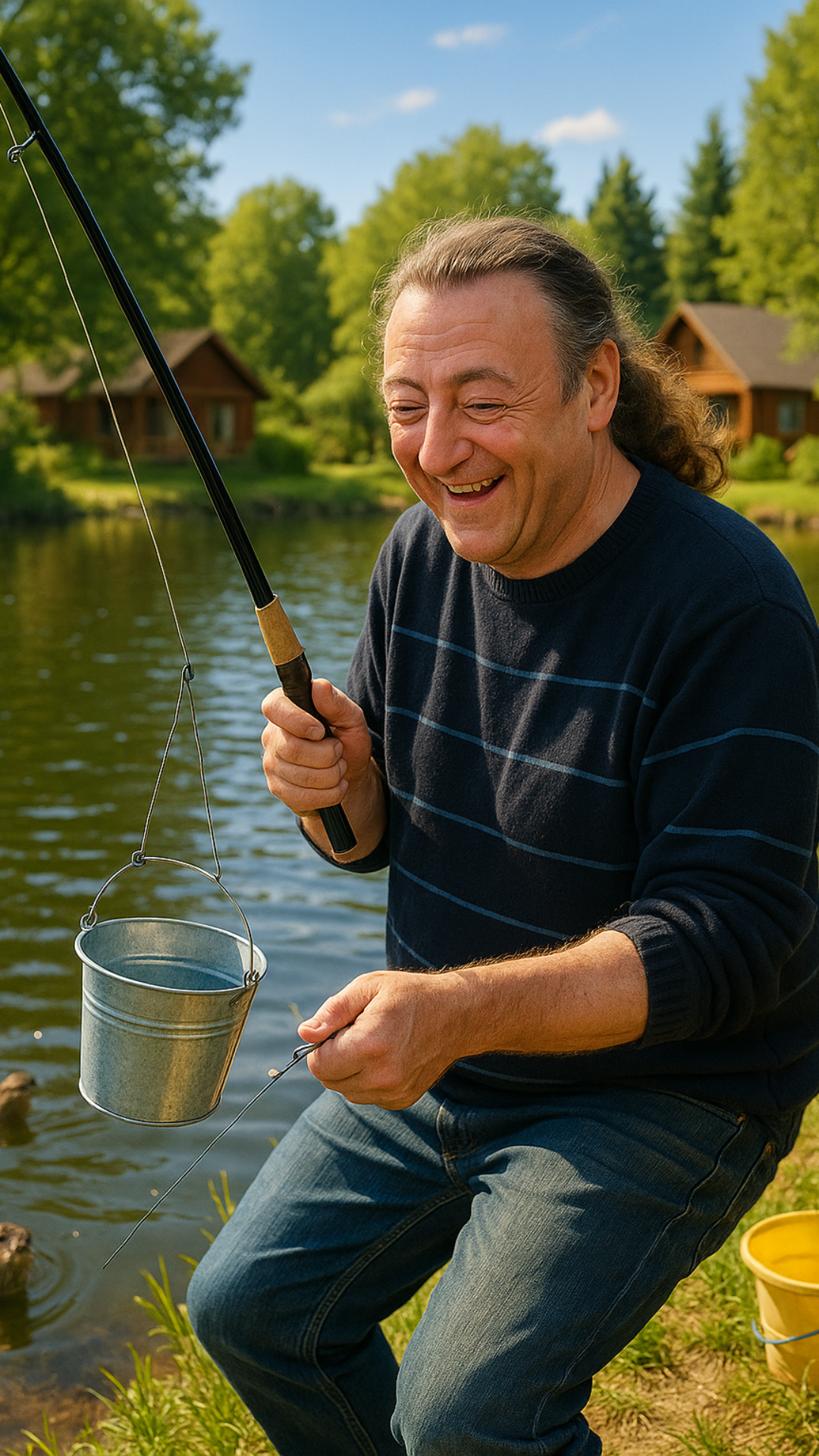
Fishing has been part of the Otter Oasis idea from the beginning, so lakes are likely to be an important feature of any suitable future site.
But a lake should not be viewed only as somewhere to catch fish. Its water quality, banks, plants and surrounding habitat can form part of a much larger ecosystem.
Responsible lake management would therefore need to consider fish welfare alongside other wildlife. Maintaining suitable bankside vegetation, reducing litter, managing disturbance and protecting water quality could all become part of that approach.
Wet margins and quieter areas may also create opportunities for birds, amphibians, insects and other species to use the site.
Otters Are Part of a Bigger Wildlife Story
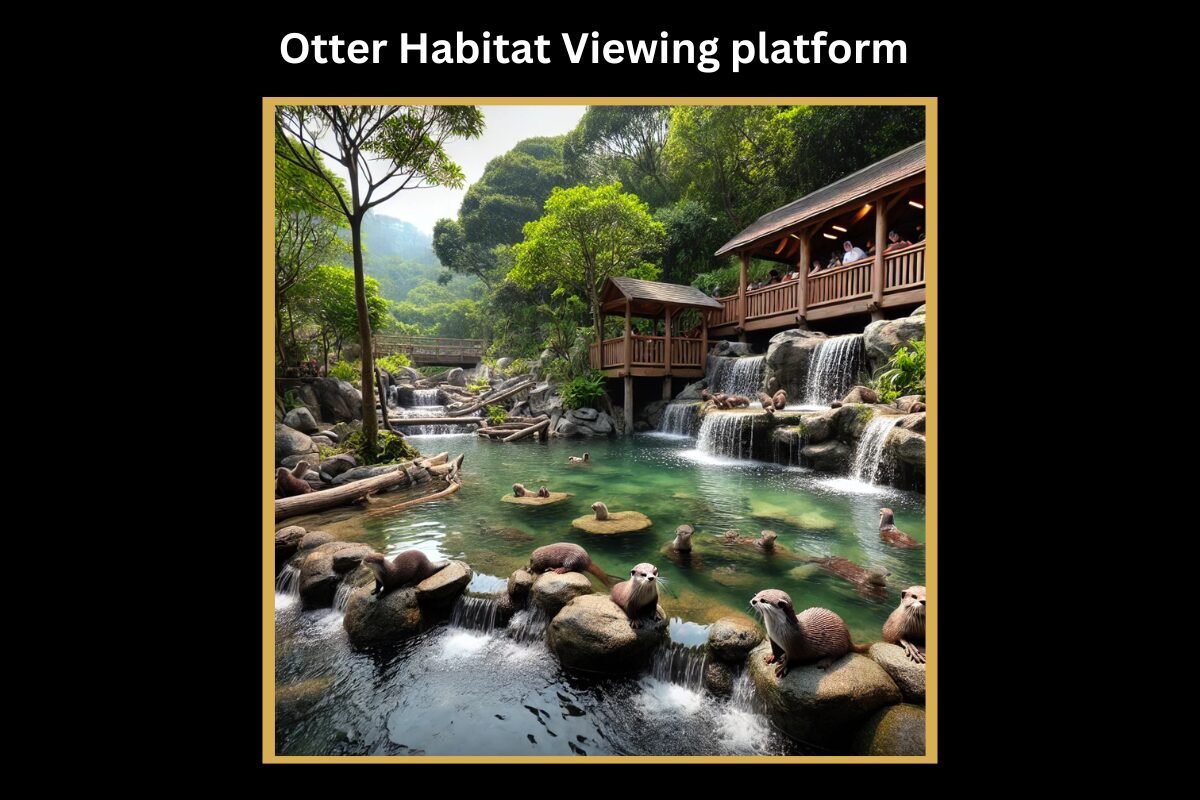
Otters naturally have a special place within Otter Oasis. They inspired the project name and remain an important part of the long-term vision.
However, our current Otter Habitat vision is deliberately not a promise of a finished sanctuary, breeding programme or rehabilitation centre.
Any future habitat involving otters would have to put animal welfare first and be shaped by expert advice, licensing and legal requirements, the eventual site and the needs of the animals themselves.
That distinction matters. We want the otter story to encourage interest in wildlife conservation without making claims today about facilities that have not yet been designed or approved.
Creating Space for Nature
Not every part of a Holiday Park needs to be filled with buildings or activities.
Depending on the future site, some areas may be better suited to habitat, native planting or quieter wildlife zones. Existing trees and hedgerows may be worth retaining, while other areas could potentially be enhanced with appropriate local species.
Connected habitat is also important. Small isolated patches of nature are not always as useful as areas that allow wildlife to move through the landscape.
How that could work at Otter Oasis cannot be decided until there is a real site to assess. But leaving meaningful space for nature is part of the vision rather than something we want to squeeze in afterwards.
Native Planting and Habitat Improvement
The old Otter Oasis plan talked about planting a tree for every visitor. That sounded positive, but conservation needs to be more thoughtful than simply counting trees.
The right habitat in the right place matters.
Depending on the site, improving a hedgerow, creating a wetland edge, restoring grassland or using suitable native plants could sometimes be more valuable than planting trees where they do not naturally belong.
Any habitat improvement should therefore be based on ecological value and professional guidance rather than a marketing target.
This also fits with the current Biodiversity Net Gain approach in England, which uses habitat creation and enhancement to measure improvements to biodiversity.
Responsible Fishing and Wildlife Can Coexist
Angling and wildlife conservation do not have to sit on opposite sides of the project.
A well-managed fishing environment depends on healthy water and responsible behaviour. Anglers also spend long periods beside lakes and are often among the people who notice changes in wildlife and water conditions first.
At a future Otter Oasis park, sensible rules around litter, fishing line, fish care and sensitive wildlife areas could help protect the environment while still allowing people to enjoy the lakes.
Our recently updated article on Sustainable Adventure Tourism explores the wider idea of creating outdoor experiences without damaging the environment people have come to enjoy.
Wildlife Conservation and Visitor Education
One of the strongest opportunities for a nature-focused park is helping visitors notice what is around them.
A family might arrive for a fishing weekend or short break and leave knowing more about wetlands, native wildlife, water quality or the importance of connected habitats.
That education does not have to mean turning the park into a classroom. Nature trails, signs, viewing areas and occasional talks or activities could all be explored as the project develops.
The aim would be simple: help people enjoy wildlife responsibly and understand why protecting its habitat matters.
Development Should Work Around Nature
If Otter Oasis reaches the physical development stage, conservation will have to sit alongside practical decisions about accommodation, access, paths, parking, utilities and visitor facilities.
Some development impacts may be unavoidable. The important thing is to identify them honestly and make informed decisions rather than claiming that development has no environmental effect.
Government guidance currently requires at least 10% Biodiversity Net Gain for development in England where the statutory requirement applies. It also places emphasis on avoiding or reducing negative biodiversity impacts and creating or enhancing habitat.
Whatever specific planning rules apply to our eventual project, we want the wider principle to remain part of the Otter Oasis Park Vision.

Measuring What We Actually Achieve
Wildlife conservation should eventually be something we can demonstrate, not just something we write on the website.
Once a real site exists, that could mean establishing what habitats and species are present before development and then tracking what is protected, restored or created as the project progresses.
Current Biodiversity Net Gain rules provide one formal framework for measuring habitat value where they apply. Significant on-site gains and off-site gains under the statutory system can also carry long-term habitat management requirements.
Otter Oasis is not at that stage today, so we are not claiming a conservation result that has not happened yet. The commitment at this stage is to make wildlife and habitat a genuine consideration when the real-world project moves forward.
Wildlife Conservation at Otter Oasis
Wildlife conservation at Otter Oasis is ultimately about creating a future destination. Where people can enjoy nature without pushing nature out.
The exact conservation plan cannot be written before we know the final land, habitats and species involved. That work will require surveys, specialists, planning, funding and responsible long-term management.
What we can define now is the direction. Lakes should be treated as ecosystems as well as fishing venues. Wildlife habitat should influence the design of the park. The Otter Habitat should be developed around welfare and expert advice. Visitors should be encouraged to respect the environment around them.
Most importantly, we want the physical Otter Oasis project to work with the natural character of its future site rather than erase it.
You can explore the wider nature plans on our Otter Habitat page and see how the real-world vision fits into the wider project on the Otter Oasis Roadmap.


