NFTs and eco-tourism may sound like two completely different worlds. One is digital, built around blockchain technology and verifiable ownership. The other is physical, centred on nature, responsible travel and protecting the places people visit. However, the two can work together when the technology has a clear real-world purpose.
That idea sits at the heart of Otter Oasis. The long-term vision is a community-backed eco-tourism Holiday Park where digital participation helps support the journey towards a real physical destination. Eco Rangers are one part of that ecosystem, connecting a digital collectible with membership utility and the wider development of Otter Oasis.
Importantly, the goal is not to use NFTs simply because they are NFTs. The technology should do a useful job. Recent research into blockchain and tourism is increasingly exploring exactly that question, including digital access, loyalty, souvenirs, transparent funding and conservation initiatives.
NFTs and Eco-Tourism: What Is the Connection?
An NFT is a unique blockchain-based digital asset. Its ownership and transaction history can be verified on-chain. If you are completely new to them, our NFTs Explained guide covers the basics in more detail.
In tourism, the interesting part is what an NFT can represent or unlock. A 2025 study published in the journal Sustainability examined potential uses including digital souvenirs, ticketing, loyalty programmes and conservation initiatives. The researchers also stressed that more real-world evidence is needed before broad claims about their impact can be made.
That distinction matters. Blockchain does not automatically make a tourism project sustainable. It is simply a tool. The real test is whether the project creates measurable value for visitors, communities or conservation.
Read the research on blockchain and NFTs in tourism.
From Digital Support to a Physical Park
Otter Oasis is being built around a simple long-term idea: use a digital ecosystem to help create something physical.
The vision includes nature, fishing, accommodation, outdoor experiences, community spaces and a dedicated Otter Habitat. Rather than treating Web3 as the finished product, the digital side is intended to help build and support the journey towards the real-world destination.
You can see the current physical concept on our Park Vision page and follow the stages on the Otter Oasis Roadmap.
The Eco Rangers NFT Collection
Eco Rangers are the founding NFT layer of the current Otter Oasis ecosystem. The collection has a total supply of 9,146 Rangers, with a mint price of $110.
The current utility is deliberately connected to the wider ecosystem. Each Eco Ranger can add a 10% membership power boost, with up to 10 Rangers counted per wallet for a maximum 100% Ranger boost.
Eco Rangers also provide an early funding layer for the project. The current seed allocation is structured across Rewards, Treasury, Yield-Bonds, the Park Fund and Operations rather than the old Park Builder Token model previously described on this article.
For the complete current structure, read Eco Rangers NFT Utility or visit the NFT Collection page.
Can NFTs Really Help Conservation?
There are already real experiments testing that idea, although the results show why realistic expectations matter.
The Asian Development Bank documented a project in Indonesia that tested NFTs as a fundraising tool for biodiversity conservation. The project worked with Reef Check Indonesia and created a collection based on marine species to support coral reef conservation.
The experiment raised a modest amount rather than transforming conservation funding overnight. That is useful evidence in itself. It shows that NFTs can provide another fundraising route, but technology does not replace the need for a strong project, community, transparency and genuine environmental work.
You can read the Asian Development Bank conservation NFT case study.
Blockchain Can Add Transparency Too
The potential relationship between blockchain and conservation goes beyond selling digital collectibles. Researchers are also investigating blockchain as a way to create transparent environmental records and trace how funding or conservation activity is recorded.
Research published in 2025 by Bond University examined blockchain-based conservation funding models. Other work published in 2026 has explored blockchain environmental registries designed to make environmental records more auditable over time.
For an eco-tourism project, that is potentially more interesting than hype around NFT prices. In the future, blockchain could help supporters see how particular funding streams, environmental milestones or conservation programmes connect to real activity.
That does not mean every part of Otter Oasis needs to be placed on-chain. The technology should only be used where it improves transparency, participation or utility.
The Otter Habitat Is Where the Mission Becomes Real
One of the most important parts of the Otter Oasis vision is the planned Otter Habitat.
The aim is to create a physical space focused on otters, education and conservation. This is where the connection between the digital community and the environmental side of the project becomes much easier to understand.
An Eco Ranger can exist digitally. The habitat, wildlife education and physical park exist in the real world. The long-term opportunity is to build a community that cares about both.
Eco-Tourism Works Best When Local Benefits Are Real
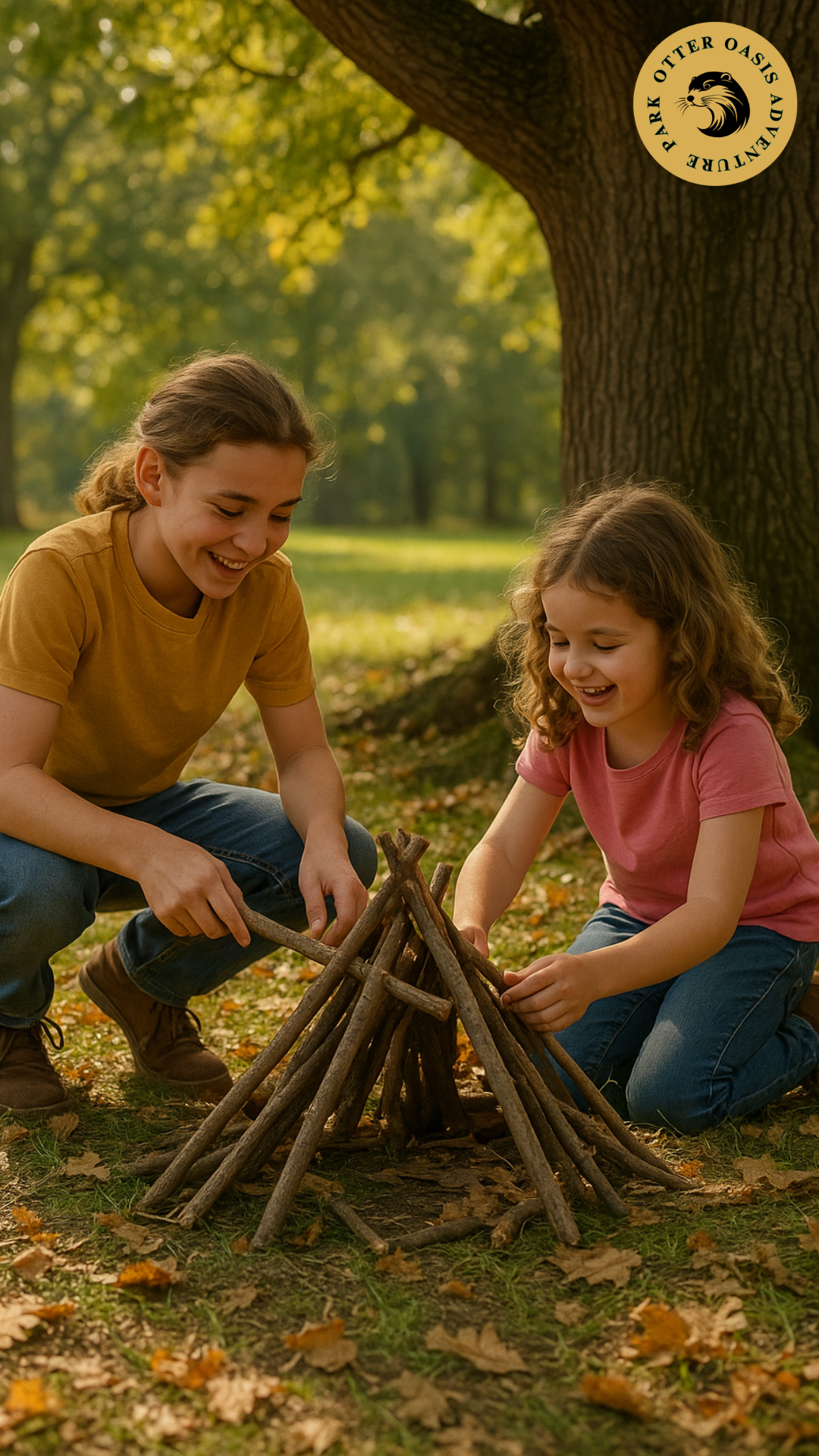
Modern eco-tourism is increasingly about more than putting accommodation beside attractive scenery. Strong projects connect tourism revenue with conservation, local employment, education and protection of the surrounding environment.
Examples around the world show tourism helping fund conservation while creating alternative livelihoods for local communities. The important lesson for Otter Oasis is that environmental claims eventually need to be visible in what the park actually does.
That means the physical project must matter just as much as the digital ecosystem. Responsible site development, wildlife considerations, energy use, waste management, habitat design and visitor education will all become important as the project progresses.
Digital Souvenirs Could Have a Future in Tourism
There is another interesting development in NFTs and eco-tourism: digital souvenirs.
A 2026 study in the Journal of Business Research compared NFT souvenirs with physical souvenirs in different tourism settings. It found that digital and physical souvenirs can influence visitor engagement differently depending on the type of experience.
That opens up possibilities beyond today's Eco Rangers. A future park could potentially use blockchain collectibles for events, achievements, visits or limited digital memories without replacing traditional physical souvenirs.
The important point is that the digital item should enhance the visit rather than become the reason for the visit.
Why Otter Oasis Uses Base
The Otter Oasis ecosystem is currently being developed on Base Sepolia for testing, with Base planned for mainnet deployment.
Choosing an established Ethereum Layer 2 allows the project to build blockchain features without relying on the much higher transaction costs historically associated with using Ethereum mainnet directly.
We explain that decision in more detail in Why We Chose Base for the Otter Oasis Ecosystem.
A Different Approach to NFTs and Eco-Tourism
Earlier versions of Otter Oasis included ideas such as the Park Builder Token, NFT staking and yield farming. Those ideas are no longer the model being built.
The ecosystem has evolved towards Eco Rangers, digital participation shares, membership, a Treasury and dedicated funding layers that connect back to the long-term park vision. Digital participation shares are not company equity, and the ecosystem is being designed around defined utility and transparent fund flows rather than promises of guaranteed investment returns.
That evolution is important. Building something over several years means being prepared to remove ideas that no longer fit and strengthen the ones that do.
What Could Come Next?
As the park develops, the relationship between blockchain and the physical destination can develop with it. Potential future uses could include digital proof of attendance, visitor achievements, conservation participation, transparent project milestones or collectibles connected to particular park experiences.
Those are possibilities rather than promises. The immediate priority is building the core ecosystem, growing the community and progressing towards the physical Otter Oasis vision.
NFTs and Eco-Tourism: Final Thoughts
NFTs and eco-tourism work together best when the technology has a reason to exist. A digital collectible on its own does not protect wildlife, create a sustainable park or improve tourism. People and real-world action do that.
Blockchain can, however, provide useful tools for digital ownership, participation, transparent records and new ways of connecting supporters with physical projects. Conservation organisations and tourism researchers are actively exploring those possibilities, and the evidence is becoming more practical rather than purely theoretical.
For Otter Oasis, the goal is to keep that connection simple. Eco Rangers belong to the digital ecosystem, while the Holiday Park, Otter Habitat, fishing, nature and visitor experiences belong to the physical vision. The long-term challenge is bringing those two sides together in a way that genuinely benefits the community and the place we eventually build.
Explore the wider Otter Oasis Ecosystem Guide to see how the current system fits together.