
Conservation and Web3 innovation may sound like two completely different worlds. One is about habitats, wildlife and the natural environment. The other is built around digital networks, blockchain technology and online communities.
But technology does not have to replace nature to be useful. Used carefully, it can provide tools for transparency, participation, record keeping and new ways of bringing people together around real-world goals.
That is the connection Otter Oasis is exploring. The long-term vision is physical: a nature-focused Holiday Park built around fishing, wildlife, accommodation, family experiences and an Otter Habitat. The blockchain ecosystem is intended to help build the community and funding structure around that vision.
What Does Conservation and Web3 Innovation Actually Mean?
Conservation is real-world work. Protecting habitats, supporting wildlife and managing land responsibly cannot be achieved simply by putting information on a blockchain.
Web3 is better understood as a set of digital tools. Public blockchain networks can record transactions and activity in ways that can be independently checked, while digital assets can connect participants to an online ecosystem.
There are already researchers and conservation organisations exploring where those tools may be useful. WWF Canada's Living Planet Technology Hub, for example, discusses blockchain applications for wildlife monitoring, supply-chain tracking and trusted data sharing.
That does not mean blockchain is a solution to conservation by itself. It means the technology may be useful where transparency, traceability or community participation genuinely adds something.
The Otter Oasis Approach
Otter Oasis was never intended to stop at being a digital project. The technology is the supporting layer, not the final destination.
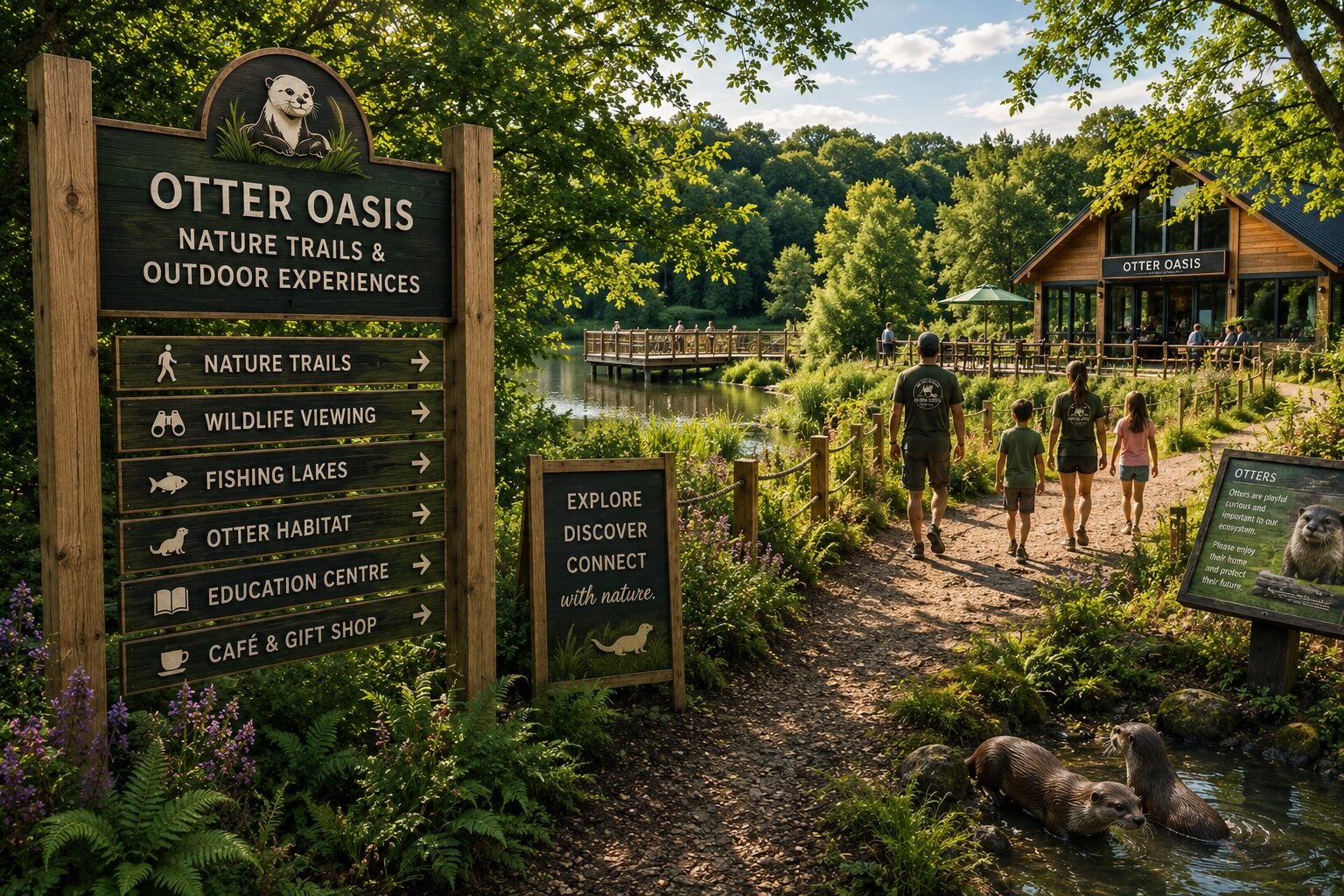
The long-term aim is to work towards a real nature-focused Holiday Park. The current Park Vision includes fishing, accommodation, wildlife experiences, outdoor activities and areas where visitors can reconnect with nature.
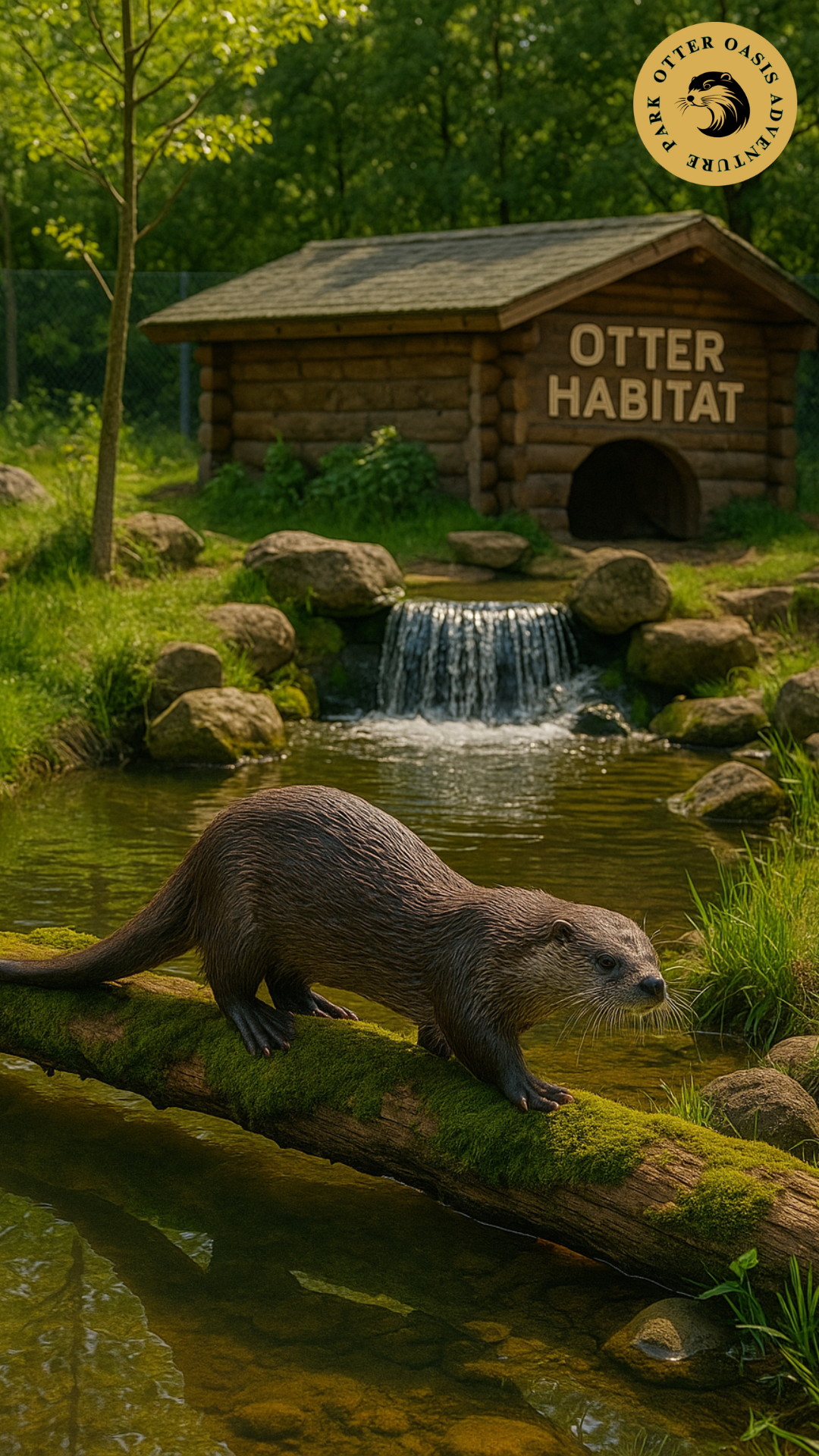
Our Otter Habitat concept is an important part of that identity. It represents the wildlife and educational side of the future vision rather than simply using an otter as a digital brand.
There is still a long journey between the current ecosystem and a completed physical park. Land, planning, funding, professional design, construction and ongoing operations would all have to be addressed. The digital ecosystem does not remove those real-world requirements.
Using Blockchain for Greater Transparency
One practical reason for using blockchain is that transactions can be recorded on a public ledger rather than existing only inside a private company database.
Otter Oasis currently separates ecosystem funds into defined areas including the Rewards Pool, Treasury, Bonds & Yield, Park Fund and Operations. The current project wallets are published so blockchain activity can be independently viewed.
That does not automatically prove that every project decision is correct or that a future goal will be achieved. What it can do is make part of the financial activity more visible than a system where participants must rely entirely on private records.
This is one of the areas where conservation and Web3 innovation can complement each other. Transparency does not replace responsible management, but transparent records can support accountability.
Building a Community Before the Physical Park
A large real-world project needs more than technology. It needs people who understand the idea and want to follow its development.
The Eco Rangers were created as the founding digital collectible collection of Otter Oasis. They represent the early community around the project while also having a defined role in the current ecosystem.
Digital Participation Shares and Membership form other parts of that ecosystem. They are designed around participation and the current reward framework, but they do not represent company equity, ownership of land or ownership of the future park.
This distinction matters. Community funding can help support a vision, but participating in a digital ecosystem is not the same as buying part of a physical property or conservation site.
Funding the Real-World Vision
Conservation and nature-focused projects need long-term funding. This is not unique to Otter Oasis. Major conservation organisations continue to explore different funding structures because protecting and managing natural environments requires money over many years.
The Otter Oasis model includes a dedicated Park Fund. Under the current structure, 35% of Digital Participation Share and Membership revenue is allocated to the Park Fund, while 15% of primary Eco Ranger revenue is allocated there.
The Park Fund is intended as one route towards the long-term physical vision. It does not guarantee that land will be purchased, planning permission will be granted or the park will be completed.
That distinction keeps the model grounded. Blockchain can help organise and display parts of the funding structure, but the real-world project will ultimately be judged by what can actually be delivered.
Technology Cannot Do the Conservation Work
There is a danger in talking about conservation technology as if the technology itself creates an environmental benefit.
It does not.
A blockchain transaction does not create a habitat. An NFT does not protect an animal. A digital community does not automatically improve biodiversity.
Those outcomes require real land management, suitable habitat, professional knowledge, responsible operating practices and measurable action in the physical world.
This is why Otter Oasis should be judged over time by the connection between the digital ecosystem and genuine real-world progress, not simply by the existence of blockchain technology.
Where Web3 Could Be Useful for Conservation
Research into blockchain and biodiversity is still developing. Potential uses include creating auditable environmental records, improving traceability, sharing ecological data and tracking how funding or environmental assets move between participants.
There are limitations too. Data recorded on a blockchain is only useful if the original information is reliable, and blockchain systems can introduce technical complexity, governance challenges and costs.
For Otter Oasis, that means using blockchain where it provides a clear benefit rather than trying to put every part of the future park on-chain.
The useful areas are straightforward: transparent ecosystem transactions, digital ownership, participation records and a system that allows supporters to follow the development of the project.
From a Digital Ecosystem to a Real Habitat
The real test of the Otter Oasis idea comes much later.
If the project reaches the stage where land can be secured and the physical development can begin, the focus shifts increasingly towards what happens on the ground: habitat design, wildlife considerations, fishing lakes, landscaping, visitor facilities and responsible long-term management.
The planned Otter Habitat is a good example. The digital ecosystem may help support the journey towards it, but creating a suitable physical habitat would require proper design and expert involvement.
You can see how the real-world stages fit into the wider project on the Otter Oasis Roadmap.
Conservation and Web3 Innovation Can Work Together
Conservation and Web3 innovation do not need to compete with each other. The important question is whether the technology is being used for something useful.
At Otter Oasis, the intention is not to replace conservation with blockchain. It is to use digital tools to build a community, create greater visibility around parts of the ecosystem and help establish funding routes connected to a much bigger real-world ambition.
The physical vision remains the destination. Nature, wildlife, fishing and the future park are what give the technology a reason to be there in the first place.
There are no guarantees about how far that journey will ultimately go. But the aim is clear: use the digital ecosystem as a tool while continuing to work towards something people could one day visit, experience and see for themselves.
Explore the Otter Oasis Ecosystem Guide for the current structure or visit the Community page to follow the journey.


