
Real-World Revenue is an important part of the long-term Otter Oasis Holiday Park concept. The aim is to create a destination with several independent income streams rather than relying on one attraction or one type of visitor.
The current concept combines accommodation, fishing, wildlife experiences, food and drink, retail and family activities. Together, those areas could help a future park operate as a standalone real-world business.
The figures in this article are planning assumptions from the Otter Oasis Holiday Park Concept & Financial Model. They are not forecasts or guarantees. No final park site has been acquired and planning permission has not been secured. Therefore, actual costs, capacity and revenue would depend on the eventual site and development plan.
Real-World Revenue Starts With A Diversified Park
A holiday park can have several reasons for people to visit. Someone may come for a week's fishing holiday, while another family may visit for wildlife, food or activities.
That variety is central to the Otter Oasis concept. The current model includes two commercial fishing lakes, accommodation, an Otter Habitat with café and gift shop, a clubhouse and four smaller coffee hubs.
It also includes a fishing bait and tackle shop, Fisherman's Café, takeaway outlet, Laser Tag Gaming Centre and a Go-Kart Track. Arcades and gaming are also part of the wider family entertainment vision.
These are planned elements of the concept, not facilities that exist today. However, they show the type of destination Otter Oasis is being designed to become. The final mix could still change because of land, planning, cost, demand, regulation or practical design decisions.
Accommodation Could Become A Core Real-World Revenue
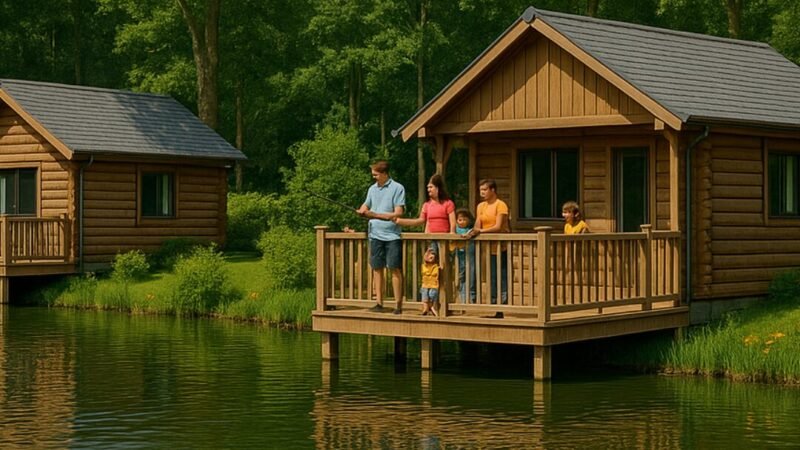
Accommodation is one of the largest elements in the current financial model. The present concept includes 32 lodges in total.
Of those, 30 are planned as commercial guest lodges, with a mixture of sizes for couples, families and group bookings. The remaining two are intended as private family lodges and would not form part of the commercial rental stock.
The lodge development model includes foundations, utility connections, decking, landscaping, furnishings and fit-out. The current concept uses an estimated accommodation development cost of around £1.5 million.
The baseline revenue model estimates approximately £925,300 per year from guest lodge bookings. That revenue should be understood as coming from the planned commercial accommodation rather than all 32 lodges.
The figure remains illustrative. Actual prices, occupancy, operating periods and final lodge arrangements would need to be confirmed after a suitable site is secured and a detailed commercial plan is completed.
Fishing Remains At The Heart Of Otter Oasis
Fishing is where the original Otter Oasis dream began, so the lakes are more than another attraction in the plan.
The current concept includes two commercial fishing lakes. The working model uses a five-acre lake and a three-acre lake, designed to support day fishing, competitions, memberships and guests staying at the park.
Fishing revenue could therefore come from several places. For example, these include day tickets, matches, memberships and fishing holidays. In addition, the concept includes a dedicated bait and tackle shop for both day visitors and accommodation guests.
The present financial model uses approximately £180,000 per year for fishing lake revenue. Retail sales from the tackle shop would provide another opportunity alongside the lakes themselves.
You can read more about how fishing shaped the project in Otter Oasis Dream.
The Otter Habitat Could Combine Wildlife, Education And Visitors
The proposed Otter Habitat is one of the most distinctive parts of the long-term Park Vision.
The concept combines a dedicated habitat with visitor viewing areas, educational displays and conservation-focused experiences. An underwater viewing feature is also included in the current plan.
Rather than treating the habitat as a single attraction, the model combines it with a café and gift shop. Consequently, one visitor area could create several potential revenue sources while also adding to the wider park experience.
The current financial model groups the Otter Habitat, café and gift shop together and uses an illustrative annual revenue figure of approximately £664,000.
Any future wildlife facility would require appropriate professional advice, permissions, animal welfare standards and operating arrangements. The current figures should therefore be viewed as concept modelling rather than a completed commercial plan.
Food And Drink Could Create Real-World Revenue Across The Park
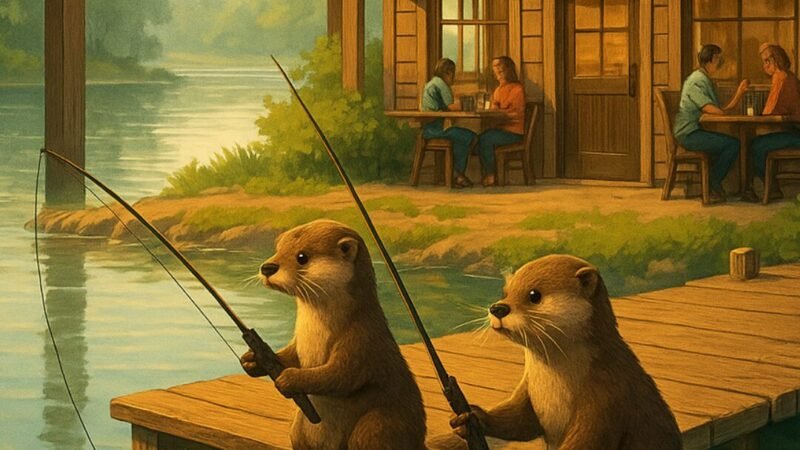
Food and drink are designed to appear throughout the proposed park rather than in one central location.
The current plan includes four small coffee hubs. These could serve drinks, snacks and ice cream around key areas of the site. The financial model currently assigns approximately £215,000 per year to the four hubs combined.
A separate Fisherman's Café is planned with indoor seating and a commercial kitchen. Its current baseline revenue assumption is approximately £310,000 per year.
The concept also includes a takeaway outlet for faster food service during busy periods. Meanwhile, the current model estimates around £240,000 per year from that operation.
These separate outlets could serve different visitor needs while reducing reliance on a single restaurant or café.
The Clubhouse Could Become A Social Hub
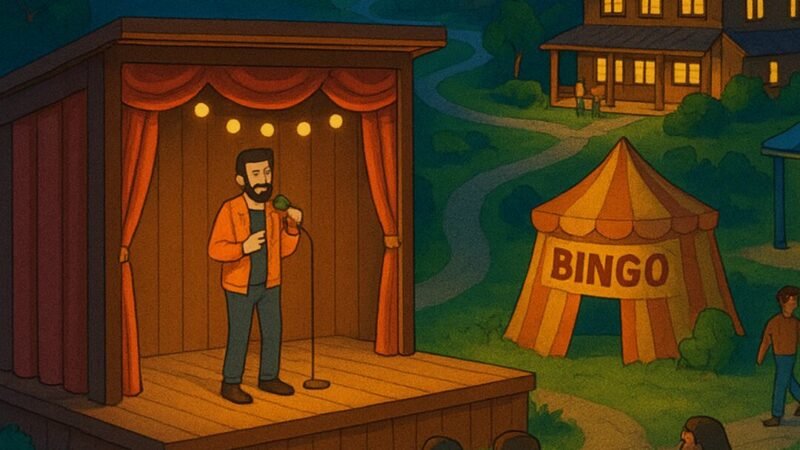
The proposed clubhouse is intended to provide another side to the park experience.
The concept includes a lodge-style community building with a bar, refreshments, seating, event space and room for live entertainment and community activities.
That could create revenue from food and drink as well as events. More importantly, the clubhouse could give holidaymakers and visitors somewhere to spend time in the evening when many outdoor attractions are quieter.
The current model uses approximately £225,000 per year for clubhouse bar and event revenue.
Laser Tag, Go-Karts And Arcades Add Family Activities


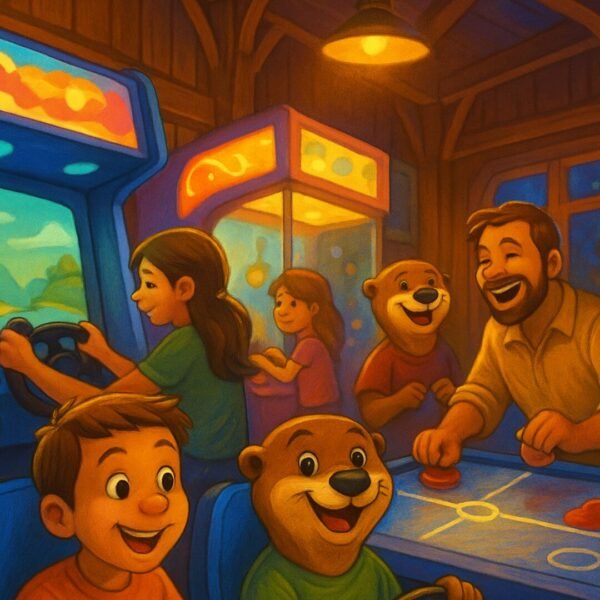
Otter Oasis is intended to appeal to more than anglers. Family activities are therefore an important part of the wider concept.
A Laser Tag Gaming Centre is included in the present model. The concept describes an indoor facility with obstacles, themed environments, lighting, sound and equipment suitable for groups, parties and events.
The current baseline model assigns approximately £190,000 per year to Laser Tag.
A Go-Kart Track is also included as a Phase 1 concept. In addition, the plan currently uses electric go-karts, track infrastructure, barriers, charging equipment and timing systems. Its baseline revenue assumption is approximately £257,000 per year, including family weekly passes.
Arcade and gaming facilities form part of the broader entertainment vision too. However, the current financial document does not give the arcade a separate revenue line, so it should not be given a made-up figure.
How Much Real-World Revenue Could The Park Generate?
When the current baseline assumptions are combined, the concept model produces estimated annual park revenue of approximately £3,206,300.
For presentation purposes, the financial model rounds that to around £3.2 million per year.
- Lodges: £925,300
- Fishing Lakes: £180,000
- Otter Habitat, Café & Gift Shop: £664,000
- Four Coffee Hubs: £215,000
- Fisherman's Café: £310,000
- Takeaway Outlet: £240,000
- Laser Tag Gaming Centre: £190,000
- Go-Kart Track: £257,000
- Clubhouse Bar & Events: £225,000
These figures are not a prediction of what Otter Oasis will earn. Instead, they form a working model used to explore whether the proposed mix of facilities could support a viable standalone business.
Revenue Is Not The Same As Profit
A £3.2 million revenue model does not mean £3.2 million would be available to the project.
A physical holiday park has significant operating costs. For that reason, the current concept model allows approximately £1.2 million per year for staffing, utilities, food and retail inventory, maintenance, animal care, insurance, administration and marketing.
Using those assumptions, the model produces an illustrative operating profit of around £2 million per year before future reinvestment, reserves, expansion or other strategic decisions.
That margin should not be treated as guaranteed. Actual operating costs could be materially different once a real site, staffing plan, utility requirements, insurance costs and regulatory obligations are known.
Why Multiple Revenue Streams Matter
The strength of the concept is not any single number. It is the variety of ways a future park could earn revenue.
Accommodation may perform differently from fishing. Food and drink may respond differently to weather or seasonality. Family attractions could bring visitors who have little interest in fishing, while the wildlife and educational side could appeal to another audience entirely.
Therefore, that diversification could make the business more resilient. If one area has a weaker period, the entire park would not necessarily depend on that one income stream.
This is also why the current financial model deliberately looks at the park as a standalone real-world business rather than assuming crypto activity alone would make the physical destination sustainable.
The Park Must Work As A Real Business First
The long-term aim is not to build a physical attraction that depends permanently on crypto funding to survive.
These financial concept explores whether accommodation, fishing, food, retail, wildlife experiences and family activities could collectively create a sustainable operating business.
Future operating surplus could then potentially support maintenance, reserves, improvements, expansion, partnerships and other opportunities. Ultimately, those decisions would depend on actual performance rather than a fixed promise made years in advance.
This approach fits the wider Real-World Crypto Project idea. The digital ecosystem and physical vision can be connected without pretending they are the same business activity.
Current Reality Versus The Long-Term Plan
There is an important line between a concept model and an operating holiday park.
Otter Oasis has not acquired a final park site. Planning permission has not been secured, and construction has not begun. For context, GOV.UK guidance for self-catering holiday accommodation in England explains that planning requirements depend on the proposed use and the local planning authority.
Likewise, the Otter Oasis app has never been publicly released and nobody has participated in a live Otter Oasis ecosystem.
We are currently in the Foundation Building Stage. The purpose of financial modelling at this point is to test ideas, identify possible costs and explore whether the long-term vision can make commercial sense.
As the project develops, assumptions will therefore need to be updated using real land costs, professional surveys, planning requirements, supplier quotations and operating data.
Real-World Revenue Is About Building Something Sustainable
The Otter Oasis Holiday Park vision is ambitious. However, the underlying business idea is straightforward: create a destination people genuinely want to visit and give them several reasons to return.
The fishing and accommodation remain at the heart of the concept. Around them sit wildlife, food and drink, retail, family entertainment, events and community spaces.
If the project eventually reaches physical development, those real-world revenue streams could therefore provide the foundation for a sustainable park business.
For now, the £3.2 million baseline remains a conceptual financial model, not a promise. The next stages are about continuing to build the foundations and improving the assumptions as better information becomes available.
Explore the wider vision from the Otter Oasis home page or read the long-term Holiday Park Vision.


This is how Web3 meets the real world not just with vision, but with revenue.
Otter Oasis isn’t selling dreams; it’s building a self-sustaining system where every real-world transaction fuels the ecosystem.
Revenue backed DeFi is the future, and $PBT is leading the way.